Movement Quality Assessment Training Methods
Movement quality assessment training methods represent a fundamental shift in how fitness professionals approach exercise programming and injury prevention. These systematic evaluation techniques help identify movement dysfunctions, muscle imbalances, and mobility restrictions that could limit athletic performance or increase injury risk. Rather than simply counting repetitions or tracking weight lifted, movement quality assessment focuses on how well the body moves through specific patterns and ranges of motion.
Understanding Movement Quality Assessment Fundamentals
Movement quality assessment training methods begin with understanding that the human body functions as an integrated system rather than isolated muscle groups. When we walk, run, or perform daily activities, multiple joints, muscles, and fascial systems work together to create coordinated movement patterns. A skilled personal trainer uses various screening tools and assessment techniques to evaluate these movement patterns and identify areas that need improvement.
The foundation of effective movement assessment lies in observing fundamental movement patterns that translate to real-life activities. These include squatting, lunging, pushing, pulling, rotating, and single-leg stance activities. Each pattern reveals important information about mobility, stability, strength, and neuromuscular control throughout the kinetic chain.
Professional movement assessment goes beyond simply watching someone exercise. It involves systematic observation of movement quality during specific tests, noting compensations, asymmetries, and limitations that may not be obvious during casual observation. This detailed analysis provides the foundation for designing targeted corrective exercise programs.
Essential Movement Screening Components
Movement quality assessment training methods incorporate several key screening components that evaluate different aspects of human movement. The overhead squat assessment serves as one of the most comprehensive screening tools, revealing issues with ankle mobility, hip flexibility, thoracic spine extension, and shoulder mobility simultaneously. During this assessment, observers note forward lean, knee valgus, heel rise, and arm fall patterns that indicate specific dysfunction areas.
Single-leg balance testing evaluates proprioception, core stability, and neuromuscular control. This assessment reveals differences between left and right sides while highlighting stability deficits that could contribute to injury risk during dynamic activities. The ability to maintain balance on one leg with eyes closed provides additional information about vestibular and proprioceptive system function.
Shoulder mobility screening examines both active and passive range of motion in multiple planes. The shoulder clearing test, internal and external rotation measurements, and overhead reach assessment help identify restrictions that could limit upper body function or contribute to shoulder impingement syndromes.
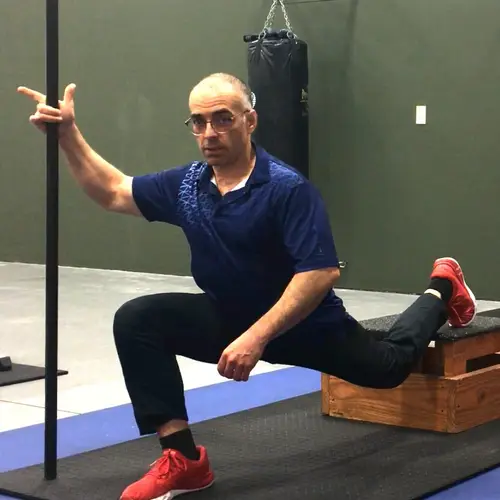
Hip mobility evaluation includes assessing flexion, extension, internal rotation, and external rotation ranges of motion. Thomas test positioning reveals hip flexor tightness, while the 90-90 hip test evaluates internal and external rotation capacity. These assessments help identify mobility restrictions that commonly contribute to lower back pain and movement dysfunction.
Corrective Exercise Integration Strategies
Movement quality assessment training methods become most valuable when assessment findings translate into targeted corrective exercise programs. This integration process requires understanding how specific dysfunctions relate to exercise selection and progression strategies. Rather than applying generic exercise templates, corrective exercise programs address individual movement limitations identified during the assessment process.
Corrective exercise sequencing typically follows a systematic approach that addresses mobility restrictions before stability challenges, and stability before strength development. This progression ensures that movement quality improvements occur in a logical order that supports long-term success and reduces injury risk.
For individuals with limited ankle dorsiflexion, corrective exercise programs might begin with calf stretching, joint mobilization techniques, and tissue quality work before progressing to dynamic movement patterns that require adequate ankle mobility. This systematic approach ensures that movement restrictions are addressed at their source rather than compensated around.
Core stability exercises become more effective when integrated with movement quality assessment findings. Rather than performing generic planks or crunches, corrective exercise programs incorporate stability challenges that address specific dysfunction patterns identified during screening. This targeted approach produces better results in shorter timeframes.
Advanced Assessment Techniques
Movement quality assessment training methods continue evolving as technology and research provide new tools for evaluation. Three-dimensional movement analysis systems offer detailed kinematic data about joint angles, movement velocities, and coordination patterns during complex activities. While these systems require specialized equipment and training, they provide unprecedented insight into movement quality.
Force plate technology measures ground reaction forces and center of pressure changes during balance and movement tasks. This objective data supplements visual observation and provides quantifiable measures of improvement over time. Force plates can reveal subtle asymmetries and stability deficits that might not be apparent through visual assessment alone.
Wearable technology increasingly supports movement quality assessment through real-time feedback about movement patterns, joint angles, and movement symmetry. These devices allow for continuous monitoring during training sessions and provide objective data about movement quality changes over time.
Functional movement assessments increasingly incorporate sport-specific or activity-specific movement patterns. Rather than relying solely on standardized tests, advanced assessment techniques evaluate movement quality during activities that directly relate to an individual’s goals and activities of daily living.
Implementation in Training Programs
Movement quality assessment training methods require systematic implementation to achieve optimal results. Initial assessment sessions should be comprehensive and thorough, documenting baseline movement patterns and identifying priority areas for improvement. This documentation process creates a roadmap for exercise program design and provides benchmarks for measuring progress.
Regular reassessment ensures that corrective exercise programs remain appropriate as movement quality improves. Monthly or bi-monthly movement screens help track progress and identify when program modifications are needed. This ongoing assessment process prevents plateaus and ensures continued improvement in movement quality.
Education plays a crucial role in successful implementation of movement quality assessment training methods. Clients need to understand why certain exercises are prescribed and how they relate to their movement quality goals. This education process increases compliance and helps individuals make better movement choices during daily activities.
Personal trainer expertise becomes essential for proper implementation of movement quality assessment training methods. Trainers must develop skills in visual observation, pattern recognition, and corrective exercise prescription. This expertise develops through formal education, practical experience, and ongoing professional development.
Technology Integration and Movement Analysis
Movement quality assessment training methods increasingly incorporate technology to enhance evaluation accuracy and provide objective feedback. Smartphone applications now offer movement analysis capabilities once reserved for expensive laboratory equipment. These tools use artificial intelligence to analyze movement patterns and provide real-time feedback about movement quality.
Video analysis software allows for frame-by-frame examination of movement patterns, enabling detailed analysis of joint angles, timing, and coordination. This technology helps identify subtle movement dysfunctions that might be missed during real-time observation. Slow-motion analysis reveals compensatory movement patterns and provides visual feedback for both trainers and clients.
Pressure mapping systems evaluate weight distribution and center of pressure changes during static and dynamic activities. These systems provide objective data about balance strategies and identify asymmetries that contribute to movement dysfunction. The visual feedback helps clients understand how their movement patterns differ from optimal alignment.
Electromyography (EMG) technology measures muscle activation patterns during movement, revealing timing issues and muscle imbalances that contribute to movement dysfunction. While primarily used in research and clinical settings, portable EMG systems are becoming more accessible for fitness professionals seeking advanced assessment capabilities.
Professional Development and Certification
Movement quality assessment training methods require specialized knowledge and skills that extend beyond basic fitness training education. Professional development opportunities include workshops, certification programs, and mentorship experiences that focus specifically on movement assessment and corrective exercise prescription.
Certification programs like the Functional Movement Screen (FMS), Selective Functional Movement Assessment (SFMA), and National Academy of Sports Medicine Corrective Exercise Specialist (NASM-CES) provide structured learning pathways for developing movement assessment skills. These programs combine theoretical knowledge with practical application experience.
Continuing education requirements ensure that fitness professionals stay current with evolving assessment techniques and research findings. Regular workshop attendance, conference participation, and peer collaboration support ongoing skill development in movement quality assessment training methods.
Mentorship relationships with experienced movement specialists provide invaluable learning opportunities for developing assessment skills. Working alongside seasoned professionals allows for real-time feedback and guidance during the skill development process.
Movement quality assessment training methods represent a sophisticated approach to exercise programming that prioritizes movement efficiency and injury prevention. These systematic evaluation techniques provide the foundation for designing targeted corrective exercise programs that address individual movement limitations. As technology continues advancing and research expands our understanding of human movement, these assessment methods will become increasingly important for fitness professionals seeking to optimize client outcomes. The integration of movement quality assessment into training programs requires ongoing education, practice, and commitment to professional development, but the resulting improvements in client safety and effectiveness make this investment worthwhile.