CONDITIONING THE BODY FOR A SPECIFIC SPORT
Physical conditioning is a critical component of any successful sports performance, even at the amateur or high school level, that’s why sports-specific training is of pivotal importance. It is a fundamental aspect that can significantly influence an athlete’s performance, regardless of the sport they participate in. However, it is crucial to understand that one size does not fit all when it comes to physical conditioning. The type of training and conditioning required varies significantly depending on the sport and the specific role the athlete plays within that sport.
For instance, a baseball or basketball player would greatly benefit from running exercises and developing excellent shoulder and trunk flexibility. These sports require swift movements, agility, and the ability to throw or shoot with precision. Therefore, a conditioning program for these athletes should focus on enhancing their speed, flexibility, and upper-body strength.
On the other hand, a football defense lineman would not necessarily benefit from the same type of conditioning. Their role in the game is vastly different, requiring strength, power, and the ability to withstand heavy impacts. Therefore, their conditioning program should focus more on building muscle mass, enhancing power, and improving their overall resilience.
SPORTS-SPECIFIC TRAINING
CONNECTING THE BIOMECHANICS TO SPECIFIC ACTIVITIES
Understanding the mechanics of the sport and how the body should move to perform at an optimal level is another key element in developing an effective workout routine. Each sport has its unique demands and requires specific movements and actions; that’s where sports-specific training plays a role. the conditioning program should be designed to enhance these specific movements and actions, thereby improving the athlete’s performance in the sport.
PREVENTING INJURIES
Moreover, it is also essential to consider injury prevention when developing a workout routine. Certain sports put more strain on specific joints, increasing the risk of injuries. Therefore, the conditioning program should also focus on strengthening these vulnerable joints and teaching the athletes how to move correctly to minimize the risk of injuries.
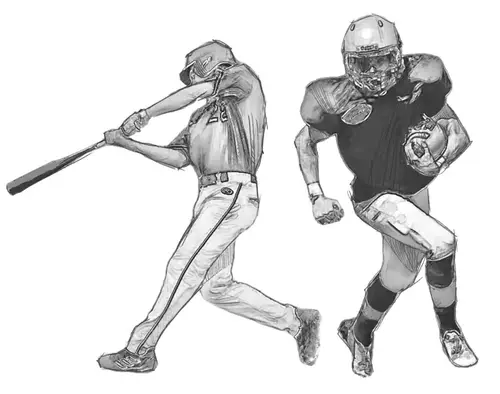
Exercises such as Woodchops, Flies, external shoulder rotation, hip flexor stretches, walking lunges, and sumo squats could be of great benefit to a short-stop, while heavy squats and chest presses would favor the performance of a lineman. Those are two classic examples of the differences in sports-specific training.
In conclusion, physical conditioning is a complex process that requires a deep understanding of the sport, the athlete’s role within the sport, and the specific physical demands of the sport. It is not a one-size-fits-all approach but rather a tailored program designed to enhance the athlete’s performance and minimize the risk of injuries. Therefore, high school athletes should work with knowledgeable trainers who can develop an effective and safe conditioning program for them.