How Fitness Enthusiasts Can Fall for Deceptive Packaging
As a personal trainer working with health-conscious individuals in Carmel, Indiana, I encounter clients daily who struggle with nutrition confusion and deceptive packaging. They arrive at our sessions carrying products they genuinely believe support their fitness goals, only to discover they’ve fallen victim to sophisticated marketing tactics. Today, I’ll show you exactly how food companies manipulate packaging to mislead even the most health-conscious people.
The Sad Truth About “Healthy” Snack Marketing
Food companies spend millions studying how to make processed foods appear nutritious. They exploit color psychology, strategic typography, and technically accurate but misleading claims to transform junk food into products that look like they belong in your gym bag. The result? Fitness enthusiasts unknowingly sabotage their health goals with foods that work against their progress.
Understanding these deceptive tactics isn’t just about making better food choices—it’s about protecting your health investment. Every food decision impacts your energy levels, workout recovery, and long-term wellness. When you’re putting effort into improving your fitness, you deserve nutrition that supports your goals, not undermines them.
Let me show you a real example that perfectly demonstrates how this manipulation works. I took one of the most notoriously unhealthy snacks available—Hostess powdered donuts—and gave it a complete visual makeover to show how powerful packaging psychology really is.
The Hostess Donut Transformation Experiment
Looking at the redesigned package, you can see exactly how dramatic this transformation is. The new design features a rich green gradient background that immediately signals “natural” and “healthy.” Gone are the bright, artificial colors typical of junk food packaging. Instead, I’ve created something that would fit perfectly in the health food section of your grocery store.
The sophisticated green gradient suggests natural, organic ingredients. The elegant typography implies artisanal quality and health consciousness. The prominent protein claims make it seem like a legitimate post-workout snack option. The “natural energy” messaging positions it as clean fuel for active lifestyles. The cocoa pod imagery makes it appear to be made from premium, antioxidant-rich superfoods.
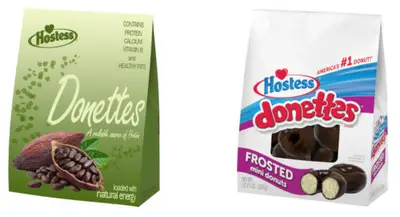
How Green Packaging Manipulates Health-Conscious Minds
Green packaging triggers powerful psychological associations with nature, health, and vitality. Food companies exploit this by using sophisticated green gradients, organic textures, and leaf patterns to make processed foods appear natural and wholesome. When health-conscious individuals see green packaging, their brains automatically associate the product with fresh vegetables, natural ingredients, and wellness nutrition.
This manipulation is particularly effective for fitness enthusiasts because we’re already seeking out “natural” health solutions. A product wrapped in elegant green packaging with subtle organic patterns immediately suggests it contains ingredients that will fuel your workouts and support recovery. The visual language bypasses critical thinking and speaks directly to our desire for clean, natural nutrition.
Consider how many legitimate health food products use green packaging. Now imagine that same green aesthetic applied to processed snacks loaded with sugar and artificial ingredients. The packaging alone can transform perception so completely that health-conscious shoppers might grab these products thinking they’re making a smart choice for their fitness goals.
Typography That Builds Health-Focused Trust
Font choices communicate volumes about product quality and intended use. Companies targeting health-conscious consumers use elegant, flowing script fonts that suggest artisanal craftsmanship rather than mass production. These sophisticated typefaces mirror the branding used by premium organic products and boutique health foods that fitness enthusiasts genuinely trust.
The contrast between handcrafted-looking script fonts and clean, scientific typography creates a powerful hierarchy. The script suggests quality and care, while the modern fonts used for nutritional claims communicate scientific credibility. Together, they create packaging that feels both premium and health-focused—exactly what fitness enthusiasts want from their nutrition choices.
When you see this typography combination on health food products, your brain automatically assumes higher quality ingredients and legitimate health benefits. Companies exploit this association by applying the same design principles to processed foods that have minimal nutritional value for fitness goals.
Decoding “Reliable Source of Protein” Claims
One of the most manipulative tactics targets fitness enthusiasts’ protein needs. Products that contain minimal protein amounts from eggs or milk ingredients boldly claim to be “reliable sources of protein.” The word “reliable” is particularly deceptive—it suggests consistency and dependability, making health-conscious consumers think they can count on this product for their protein requirements.
For fitness nutrition, protein quality and quantity matter tremendously. People working toward health goals need adequate protein to support muscle recovery and metabolic function. A processed snack might technically contain protein, but if it’s wrapped in sugar and saturated fat, it’s working against your health goals rather than supporting them.
When evaluating protein claims, fitness enthusiasts should ask specific questions: How many grams of protein per serving? What’s the protein-to-sugar ratio? Does this provide meaningful nutritional value? A legitimate protein source for health-conscious individuals should deliver substantial protein content without excessive sugar or artificial additives that compromise wellness goals.
The “Natural Energy” Deception in Health Foods
“Loaded with natural energy” messaging specifically targets people seeking clean fuel for their active lifestyles. While sugar and fat technically provide energy in the form of calories, this phrasing creates false associations with sustained, clean energy from wholesome carbohydrate sources like oats, quinoa, or sweet potatoes.
Health-conscious individuals understand the difference between quick sugar spikes and sustained energy release, but clever marketing blurs these distinctions. The phrase “loaded with natural energy” sounds like the sustained power you’d get from complex carbohydrates and healthy fats, not the sugar crash you’ll experience from processed snacks.
This messaging is particularly damaging because it positions junk food as pre-workout fuel. Someone preparing for a fitness session might grab a product with this claim thinking they’re choosing smart energy support, when they’re actually setting themselves up for an energy crash mid-workout.
Highlighting Legitimate but Irrelevant Nutrients
Companies create prominent nutritional callout boxes listing “CONTAINS PROTEIN, CALCIUM, VITAMIN B and HEALTHY FATS” in clean, scientific-looking typography that resembles supplement labeling. These claims are technically accurate—eggs provide protein and B vitamins, milk provides calcium, and there might be trace amounts of beneficial fats.
However, presenting these minor nutrients in supplement-style formatting creates the impression that this is a nutritionally dense product designed for health benefits. The reality is that highlighting trace nutritional benefits while ignoring massive amounts of sugar, saturated fat, and artificial ingredients is like advertising that cigarettes contain paper—technically true but completely beside the point.
The visual presentation makes these minimal nutrients appear to be the product’s primary selling points, when they’re actually insignificant compared to the negative nutritional impact of the processed ingredients.
The Power of Visual Association with Superfoods
The most psychologically manipulative element involves adding images of natural, wholesome ingredients like cocoa pods showing natural cocoa beans, positioned prominently with scattered beans and fresh green leaves for added natural appeal.
Cocoa pods and beans look exotic, natural, and healthy. They’re associated with antioxidants, superfoods, and potential health benefits. Most consumers have never seen a raw cocoa pod, so it immediately signals “premium” and “natural source.” By showing this beautiful, organic-looking cocoa pod instead of the actual processed, sugar-laden artificial chocolate flavoring used in the product, companies create a powerful visual connection to something wholesome and natural.
Your brain sees this image and thinks “superfood,” “antioxidants,” and “straight from nature,” not “processed dessert with artificial flavoring.” The fresh leaf adds another layer of natural association, making the whole package feel like it was just harvested from a tropical farm rather than mass-produced in a factory.
What Personal Trainers Tell Clients About Package Reading
After these changes, the exact same unhealthy product now looks like it belongs in the premium health food aisle next to protein bars and superfood snacks. Someone walking quickly through the store would likely assume this is some kind of organic, protein-rich energy snack made with real cocoa and natural ingredients.
But here’s the crucial point: I didn’t lie about a single thing. Every claim on the package is technically accurate. Yet the overall impression is completely misleading.
This example illustrates why reading nutrition labels is so critical for fitness success. Marketing departments spend millions of dollars studying how to make you feel good about buying their products, regardless of their actual nutritional value.
Protecting Your Fitness Investment from Marketing Manipulation
Don’t let packaging fool you. Instead of focusing on front-of-package claims, flip the product over and look at the nutrition facts and ingredients list. As a personal trainer, I teach clients to ask themselves:
How much sugar does this contain per serving? What’s the primary ingredient? How many artificial additives are listed? What’s the calorie density compared to the nutritional benefits?
Remember, if a product needs to convince you it’s healthy through marketing claims, it probably isn’t. Truly healthy foods—like fresh fruits, vegetables, lean proteins, and whole grains—don’t need flashy packaging to prove their worth.
The next time you’re shopping for foods to support your fitness goals, remember this experiment. That green package with the clean font and health claims might just be junk food in disguise, working against everything you’re trying to achieve through your workouts and healthy lifestyle choices.