Unilateral Loading Training Corrects Muscular Imbalances
Muscular imbalances plague athletes and fitness enthusiasts across Carmel, Indiana, creating compensation patterns that limit performance and increase injury risk. Unilateral loading training represents a revolutionary approach to addressing these asymmetries through systematic single-limb exercises that challenge each side of the body independently. This specialized training method forces dormant muscles to activate while strengthening weaker limbs, creating balanced movement patterns essential for optimal athletic performance. Research from the Journal of Strength and Conditioning Research demonstrates that unilateral training produces significant improvements in bilateral strength while correcting side-to-side strength differences by up to 15%. When implemented properly by a qualified personal trainhttp://a personal trainerer, unilateral loading training transforms how the body moves, performs, and adapts to physical demands.
Understanding Unilateral Loading Training Fundamentals
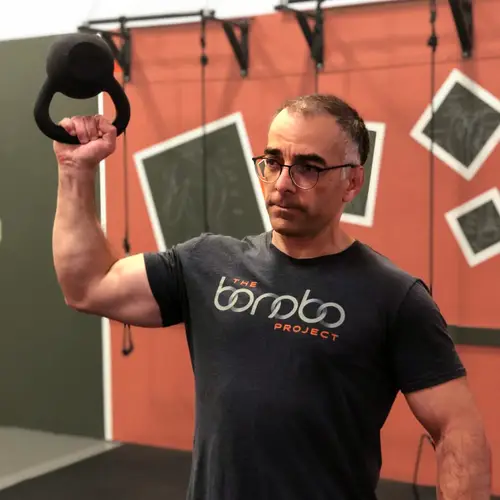
Unilateral loading training involves performing exercises that challenge one limb while the opposite limb remains stationary or provides minimal support. This training methodology differs significantly from traditional bilateral movements because it eliminates the stronger side’s ability to compensate for the weaker side. The nervous system must recruit stabilizing muscles more aggressively during single-limb exercises, creating enhanced proprioceptive awareness and improved intermuscular coordination.
The physiological benefits of unilateral loading training extend beyond simple strength development. When performing single-limb exercises, the core musculature activates approximately 40% more than during bilateral movements, according to research published in the International Journal of Sports Physical Therapy. This increased activation occurs because the body must work harder to maintain stability and prevent unwanted movement in multiple planes simultaneously.
Identifying Muscular Imbalances Through Unilateral Loading Assessment
Effective unilateral loading training begins with comprehensive assessment to identify specific imbalances and movement dysfunction patterns. A qualified personal trainer conducts systematic evaluations using single-limb tests that reveal strength discrepancies, stability deficits, and coordination problems that bilateral assessments often miss.
Single-leg stance tests provide immediate insight into balance and proprioceptive differences between limbs. Clients who demonstrate significant wobbling, compensatory hip hiking, or inability to maintain position for 30 seconds on one leg indicate clear imbalance issues requiring targeted intervention. Unilateral loading assessment also includes single-arm and single-leg strength tests that quantify force production differences between limbs.
The assessment phase reveals common imbalance patterns frequently observed in Carmel’s active population. Right-handed individuals typically display stronger right-side grip strength but weaker right-leg stability due to left-leg dominance during sports activities. Golfers often present with significant rotation strength imbalances, while runners frequently demonstrate unilateral hip weakness that contributes to knee and ankle problems.
Single-Limb Exercise Progressions for Unilateral Loading Training
Progressive unilateral loading training follows systematic advancement patterns that gradually increase challenge while maintaining proper movement quality. Beginning exercises focus on basic stability and control before progressing to more complex multi-planar movements that challenge the entire kinetic chain.
Upper body unilateral loading progressions start with single-arm planks, advance to single-arm push-ups, and culminate in complex movements like single-arm overhead presses while standing on one leg. Each progression level challenges different aspects of stability, strength, and coordination while maintaining focus on the weaker limb development.
Lower body unilateral loading training progressions begin with static single-leg stands and advance through single-leg squats, lunges in multiple directions, and complex plyometric movements. The progression emphasizes quality over quantity, ensuring clients master each level before advancing to more challenging variations.
Research from the European Journal of Applied Physiology indicates that unilateral loading training produces strength gains of 8-12% in the untrained limb through cross-education effects, where training one limb creates strength improvements in the opposite untrained limb through neural adaptations.
Core Stabilization During Unilateral Loading Training
Unilateral loading training places exceptional demands on core stabilization systems, requiring deep abdominal muscles, spinal erectors, and hip stabilizers to work synergistically maintaining proper alignment. The core must counteract lateral forces, rotational moments, and shifting center of gravity challenges that bilateral exercises rarely provide.
During single-limb exercises, the quadratus lumborum, internal and external obliques, and transverse abdominis activate in coordinated patterns to prevent unwanted spinal movement. This enhanced core activation translates directly to improved performance in bilateral lifts and functional activities requiring stability under load.
Personal trainers implementing unilateral loading training observe dramatic improvements in clients’ overall core strength and endurance. The functional core strengthening achieved through single-limb exercises surpasses traditional core training methods because it integrates stabilization with movement patterns clients use in daily activities and sports.
Injury Prevention Through Unilateral Loading Training
Muscular imbalances contribute significantly to injury risk in recreational and competitive athletes throughout Carmel’s sports community. Unilateral loading training addresses these imbalances proactively, strengthening weaker muscles while improving movement quality and reducing compensation patterns that lead to overuse injuries.
Common injuries prevented through systematic unilateral loading training include anterior cruciate ligament tears, ankle sprains, low back pain, and shoulder impingement syndrome. These injuries often result from strength imbalances, stability deficits, or movement dysfunction patterns that unilateral training directly addresses.
The injury prevention benefits extend beyond strength improvements to include enhanced proprioceptive awareness and improved reactive stability. Athletes who regularly perform unilateral loading exercises demonstrate superior balance reactions and recovery strategies when challenged by unexpected perturbations during sports activities.
Sport-Specific Unilateral Loading Training Applications
Different sports create unique imbalance patterns requiring specialized unilateral loading training approaches. Tennis players develop significant strength differences between their dominant and non-dominant arms, requiring targeted training to address these asymmetries while maintaining sport-specific performance advantages.
Soccer players often present with shooting leg strength dominance but may lack stability and control in their non-dominant leg, affecting overall performance and injury risk. Unilateral loading training for soccer players emphasizes single-leg strength, stability, and reactive control while maintaining the natural dominance patterns essential for skilled performance.
Basketball players benefit from unilateral loading training that addresses jumping and landing asymmetries, improving single-leg takeoff power while developing bilateral landing mechanics that reduce knee injury risk. The training focuses on reactive strength and stability in multiple planes of movement.
Programming Unilateral Loading Training Variables
Effective unilateral loading training requires careful manipulation of training variables including volume, intensity, frequency, and exercise selection. Beginning clients typically perform 2-3 sets of 8-12 repetitions per limb, focusing on movement quality and control rather than maximum resistance.
Training frequency for unilateral loading exercises ranges from 2-4 sessions per week, depending on the client’s training experience, recovery capacity, and specific goals. More frequent sessions allow for skill development and motor learning, while adequate recovery prevents overuse and maintains training quality.
Exercise selection progresses from stable to unstable surfaces, single-plane to multi-plane movements, and simple to complex coordination challenges. A qualified personal trainer monitors progress and adjusts programming variables based on individual response and adaptation patterns.
Technical Considerations for Unilateral Loading Training Implementation
Proper implementation of unilateral loading training requires attention to specific technical details that maximize benefits while minimizing injury risk. Foot positioning, core engagement, breathing patterns, and movement tempo all influence training effectiveness and safety during single-limb exercises.
During single-leg exercises, proper foot alignment involves distributing weight evenly across the foot while maintaining active arch support and toe engagement. Hip positioning requires level pelvis maintenance without compensatory hiking or dropping on either side. Spine alignment demands neutral positioning without lateral flexion or excessive extension.
Upper body unilateral loading exercises require scapular stability, proper shoulder positioning, and coordinated breathing patterns that maintain core engagement throughout the movement range. The non-working limb should remain active and engaged rather than completely relaxed, contributing to overall stability and control.
Professional supervision during initial unilateral loading training phases ensures proper technique development and appropriate progression rates. Personal trainers provide real-time feedback, movement corrections, and motivation necessary for optimal adaptation and long-term success in correcting muscular imbalances.
Conclusion
Unilateral loading training represents an essential component of comprehensive fitness programming that addresses muscular imbalances while enhancing overall athletic performance. Through systematic single-limb exercises, this training methodology corrects strength discrepancies, improves stability, and reduces injury risk more effectively than traditional bilateral approaches. The integration of unilateral loading training into regular workout routines creates balanced, resilient athletes capable of meeting diverse physical demands. Working with a qualified personal trainer ensures proper implementation, appropriate progression, and optimal results from unilateral loading training programs tailored to individual needs and goals.